
Basement Waterproofing and Moisture Control in Liberty, MO
Our basement waterproofing services in Liberty, MO help homeowners create drier, more dependable lower levels protected from seepage, humidity, and moisture-related damage. We inspect vulnerable areas, identify likely entry points, and recommend practical solutions based on the property's condition.
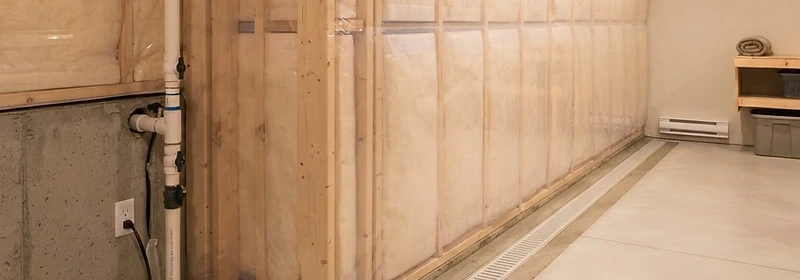
What Is Basement Waterproofing?
Basement waterproofing is the process of controlling moisture that enters through foundation walls, floors, cracks, joints, or surrounding soil. Solutions may include sealing openings, improving drainage, installing vapor barriers, managing humidity, or directing water away from the structure. Proper protection helps preserve building materials, reduce musty conditions, and create a safer environment for storage or finished living space below.
What Sets Our Service Apart
Our service stands apart because we look beyond visible dampness to understand why moisture is reaching the lower level. We evaluate grading, foundation conditions, drainage paths, cracks, and humidity before recommending work. This approach allows us to tailor the solution, avoid unnecessary measures, and provide protection that fits the property rather than relying on a standard treatment for every home.
Why Choose Us?
Homeowners choose us for honest recommendations, attentive communication, and solutions shaped around the condition of their property. We explain what we find, discuss practical options, and coordinate the work with respect for surrounding areas. Our team focuses on durable moisture control, thoughtful preparation, and dependable service that helps protect future improvements, stored belongings, and everyday comfort.
Signs You Need Basement Waterproofing and Moisture Control Services
Moisture problems can quietly damage your lower level before standing water ever appears. We help Liberty homeowners recognize warning signs early and protect their properties with practical basement waterproofing solutions.
Musty Odors Keep Returning
Musty odors that return after cleaning often indicate hidden moisture inside walls, flooring, insulation, or stored belongings. The smell may become stronger after rain or during humid weather. We inspect the affected areas, measure moisture conditions, and identify possible entry points so the underlying cause can be addressed instead of temporarily covered with air fresheners or surface treatments.
Walls Show Stains Or White Residue
White chalky residue, dark stains, or peeling paint on foundation walls can signal moisture moving through porous materials. These marks may spread gradually and weaken finishes over time. Our team examines cracks, joints, grading, and drainage conditions before recommending appropriate sealing or water-management measures that help reduce recurring dampness and protect nearby surfaces from continued deterioration.
Water Appears After Heavy Rain
Puddles near walls, damp floor edges, or water appearing after storms are clear signs that the lower level needs professional attention. Even small amounts can reach framing, drywall, or stored items. We trace where the moisture enters, evaluate drainage patterns, and develop a waterproofing plan that helps control seepage before it spreads across more of the surrounding space.
Humidity And Condensation Remain High
Condensation on pipes, windows, or cool surfaces may indicate indoor humidity remains too high. Persistent moisture can create uncomfortable conditions, damage finishes, and leave belongings feeling damp. We assess ventilation, airflow, and humidity levels, then recommend practical controls that help the lower level remain drier, more comfortable, and better prepared for storage, finishing, or regular daily use.
Our Step-by-Step Basement Waterproofing Process
Our process gives homeowners a clear path from identifying moisture concerns to completing dependable protection measures. We inspect the lower level, locate likely entry points, prepare the work area, apply the chosen solutions, and review the results carefully.
Inspecting Moisture Sources And Conditions
We begin by examining foundation walls, floor joints, cracks, windows, drainage patterns, and areas showing stains or dampness. Our team also asks when moisture appears and how conditions change after rain. This inspection helps us understand how water is entering, identify contributing factors, and develop a practical waterproofing plan suited to your Liberty home, lower-level needs, and priorities.
Creating A Practical Waterproofing Plan
After the inspection, we explain our findings and review the waterproofing options that fit the property. The plan may include sealing cracks, improving drainage, adding vapor protection, or managing indoor humidity. We confirm the scope, materials, and preparation requirements before work begins, giving you a clear understanding of how each recommended measure supports dependable, long-term moisture control.
Preparing And Protecting The Area
Before applying any waterproofing materials, we clear the affected areas, protect nearby belongings, and prepare surfaces for proper adhesion. Loose coatings, debris, and weakened material are removed where necessary. We then complete repairs, seal vulnerable openings, and install the selected moisture-control components carefully so each part works together to reduce seepage and protect the surrounding structure.
Reviewing The Completed Protection Measures
Once the waterproofing work is complete, we inspect the treated areas, confirm that seals and drainage components are properly positioned, and review the space for remaining concerns. Our team cleans the work area and explains maintenance steps, humidity monitoring, and warning signs worth watching. This final review helps you understand how to protect the lower level confidently moving forward.
Protect Your Lower Level Today
Do not wait for dampness, stains, or odors to become a larger repair problem. Contact our team today to schedule a detailed inspection and discuss the warning signs you have noticed.